Manila Cost of Living 2026: Real Expat Budget Guide
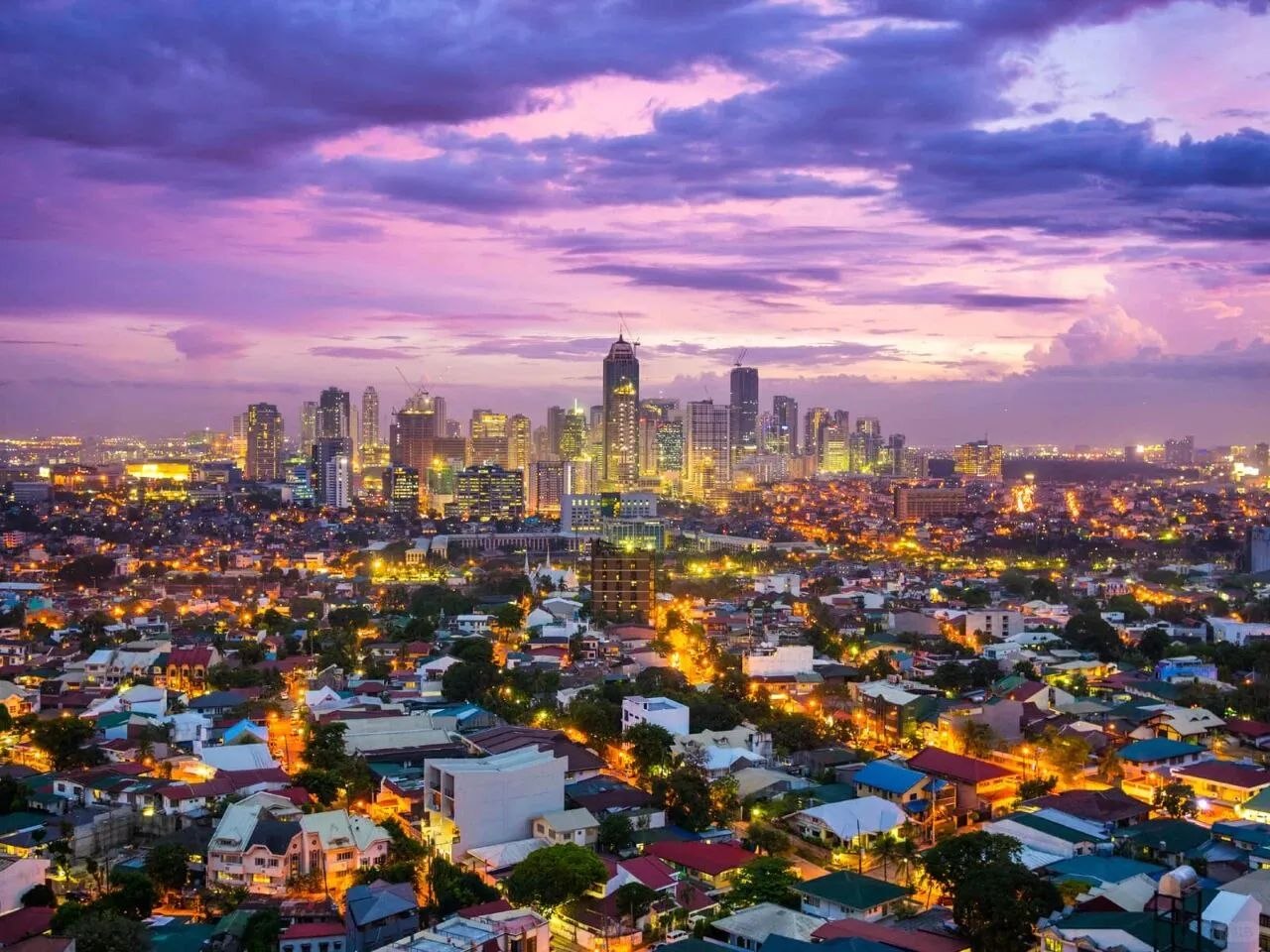
Manila remains one of Southeast Asia’s most affordable big-city destinations for expats in 2026.
For digital nomads, remote workers, retirees, and first-time movers, the Philippine capital still offers relatively low living costs compared with many major cities in the region. The biggest difference comes down to lifestyle and location. Living in Quezon City or Pasig is far cheaper than renting in Makati or Bonifacio Global City (BGC).
This guide breaks down the real monthly cost of living in Manila in 2026, including rent, food, transportation, utilities, and lifestyle expenses.
1. Rent in Manila (2026)
Housing is usually the biggest monthly expense for expats in Manila. Costs vary heavily depending on whether you choose a suburban area, a mid-range business district, or a more central and modern neighborhood.
Typical monthly rent ranges
– Studio apartment (Suburbs: Quezon City, Pasig): PHP 8,000–15,000/month
– 1-bedroom apartment (Mid-area: Makati, BGC): PHP 18,000–35,000/month
– 2-bedroom apartment (Center: Manila Bay, Ortigas): PHP 38,000–65,000/month
If you want lower rent, staying outside the most popular expat zones can reduce your monthly budget significantly.
2. Food and Groceries
Food in Manila can be very affordable if you mainly eat local meals. Imported groceries, Western restaurants, and frequent delivery will raise costs quickly.
Typical food costs
– Street food / local meals: PHP 60–120 per meal
– Local groceries: PHP 4,000–7,000/month
– Western meals: PHP 350–700 per meal
A budget-conscious expat who mostly cooks or eats local food can keep costs low, while a more international lifestyle will push spending higher.
3. Transportation
Transportation in Manila is still cheap, but traffic can make commuting more expensive in terms of time and convenience. Budget travelers usually rely on jeepneys, buses, and occasional app-based rides.
Typical transport costs
– Jeepney / bus: PHP 12–20 per ride
– Grab rides: PHP 100–300 per trip
– Motorbike rental: PHP 2,500–4,500/month
If you live near your work or daily routine, transport costs stay manageable. Frequent Grab use, however, can add up fast.
4. Utilities
Utilities in Manila are moderate by regional standards, especially if you use air conditioning often.
Typical monthly utility costs
– Electricity (with AC): PHP 2,500–5,000
– Internet: PHP 1,200–2,500
– Mobile plan: PHP 300–600
Estimated total utilities: PHP 4,000–8,100/month
5. Leisure and Personal Expenses
Beyond the basics, most expats will also spend on gym memberships, weekend trips, and personal care.
– Gym membership: PHP 1,500–3,500/month
– Day trips / short getaways: PHP 2,000–5,000
– Personal care: PHP 800–2,000/month
This category depends heavily on lifestyle. A simple routine keeps costs low, while regular travel and entertainment increase your monthly spending.
6. Realistic Monthly Budget in Manila
Here’s a realistic estimate for total monthly living costs in Manila in 2026:
– Single expat: PHP 25,000–50,000/month
– Couple: PHP 40,000–80,000/month
A lower-end budget is possible with local housing and basic spending habits. A more comfortable expat lifestyle in Makati or BGC will usually land in the mid-to-upper range.
7. Manila Cost of Living Calculator
Use the calculator below to estimate your monthly budget in Manila.
Manila Budget Calculator
8. Final Thoughts
Manila can still be a very affordable city for expats in 2026, especially if you choose practical housing and keep daily spending under control. Rent location, transport habits, and food choices make the biggest difference in your monthly budget.
You can also compare Manila with our Thailand, Da Nang, and Kuala Lumpur cost of living guides for a broader Southeast Asia overview.