Thailand Cost of Living 2026 for Expats: Real Monthly Budget Guide
 Introduction
If you’re planning to move to Thailand in 2026, you’ve probably noticed one big problem: almost every cost-of-living guide online is outdated, vague, or full of fake numbers. Prices have changed significantly since 2023, and many articles still rely on older estimates that no longer reflect what expats actually pay on the ground.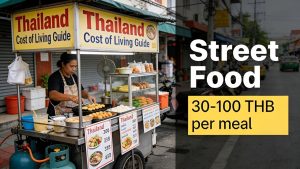
This guide takes a more practical approach. Instead of vague claims, it breaks down realistic monthly budgets for expats living in Bangkok, Chiang Mai, and Phuket in 2026. Whether you’re a digital nomad, retiree, remote worker, or someone planning a longer stay in Thailand, understanding the real cost of accommodation, food, transport, utilities, and hidden fees matters more than ever.
In this article, you’ll see simple budget ranges, city-by-city comparisons, common hidden costs, and a calculator you can use to estimate your own monthly spending more accurately.
1. Monthly Cost by City (Budget / Comfort / Luxury)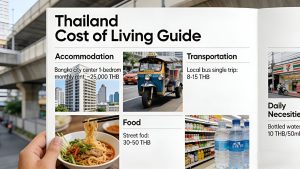
All figures below are estimated monthly costs for a single expat in 2026. Couples usually spend around 40% to 60% more, depending on housing style and lifestyle choices.
Bangkok
Budget: 18,000–25,000 THB/month
Comfort: 35,000–55,000 THB/month
Luxury: 80,000+ THB/month
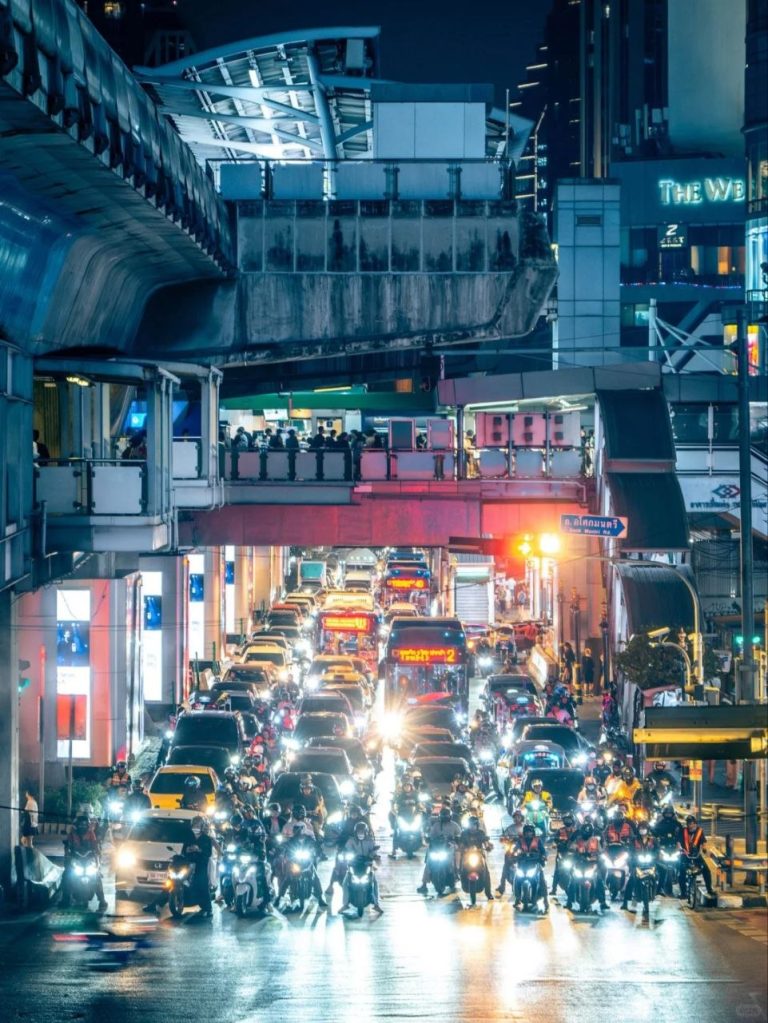
Bangkok is the most convenient city in Thailand for expats who want modern infrastructure, public transportation, international food options, and easy access to hospitals, coworking spaces, and airports. The tradeoff is cost. Rent is higher, daily coffee and dining can add up quickly, and many central districts are now noticeably more expensive than they were a few years ago.
Chiang Mai
Budget: 12,000–18,000 THB/month
Comfort: 25,000–40,000 THB/month
Luxury: 60,000+ THB/month
Chiang Mai remains one of the most affordable places in Thailand for long-term foreigners. It is especially popular with remote workers and digital nomads who want a lower monthly burn rate without giving up decent cafes, apartments, and internet access. Housing is usually cheaper than Bangkok, and food costs are easier to control.
Phuket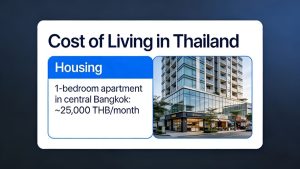
Budget: 16,000–24,000 THB/month
Comfort: 40,000–65,000 THB/month
Luxury: 90,000+ THB/month
Phuket offers a beach lifestyle that many expats want, but it often comes with a premium. Rent near the coast is much higher than inland areas, transport can become expensive if you rely on taxis or ride-hailing, and tourist-heavy neighborhoods usually push up everyday spending.
2. Detailed Monthly Expenses (2026 Realistic Price Ranges)
Accommodation
Housing will usually be your biggest fixed monthly cost.
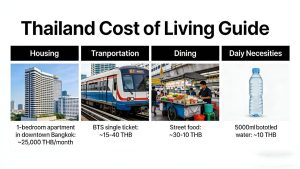
Bangkok studio: 6,000–9,000 THB/month in outer districts, higher in central areas
Chiang Mai 1-bedroom: 10,000–18,000 THB/month depending on location and building quality
Phuket beach condo: 20,000–35,000 THB/month near popular beach zones
If you choose newer buildings, pools, gyms, or walkable expat neighborhoods, your rent can increase quickly. Many expats also underestimate move-in costs such as deposits, advance rent, and utility setup.
Food
Food in Thailand can still be affordable, but your lifestyle matters a lot.
Street food: 30–60 THB/meal
Mid-range restaurant: 150–300 THB/meal
Groceries (local-focused): 2,500–4,000 THB/month
If you eat local food most of the time, your monthly food bill can stay surprisingly low. If you prefer imported groceries, Western restaurants, regular coffee shop meals, or delivery apps, your total can easily double.
Transport
Transport costs vary a lot by city.
BTS/MRT in Bangkok: 1,000–1,500 THB/month for regular urban use
Motorbike rental: 2,500–3,500 THB/month
Grab rides: 3,000–5,000 THB/month for frequent app-based travel
Bangkok is the easiest city for public transportation. In Chiang Mai and Phuket, many expats end up relying more on scooters, rental cars, or ride-hailing services, which can push the total monthly cost higher than expected.
Utilities
Utilities are often underestimated, especially by first-time expats.
Electricity with heavy AC use: 2,000–5,000 THB/month
Internet (500 Mbps plan): 600–900 THB/month
Water: 150–300 THB/month
Air conditioning is often the difference between a low monthly budget and a much higher one. In hotter months, people who run AC for long periods every day usually notice a major jump in the electricity bill.
Leisure and Daily Lifestyle
A realistic budget should include normal lifestyle spending.
Gym membership: 1,500–3,000 THB/month
Coffee and cafe spending: 1,500–2,500 THB/month
These categories may look small at first, but over a full month they make a noticeable difference. Many expats spend more on convenience and comfort items than they expect.
3. Hidden Costs in 2026
Visa Fees
Visa-related costs are one of the most commonly ignored parts of Thailand budgeting.
Tourist visa extension: 1,900 THB
Retirement visa: around 10,000–15,000 THB/year depending on process and related costs
Long-stay or special visa options can vary significantly depending on eligibility and application method
Before moving, always calculate visa costs separately from normal living expenses. For many expats, paperwork, renewals, travel for immigration matters, or agent fees can become a real part of the annual budget.
Inflation and Tourist Zones
Even if Thailand is still affordable compared with many Western countries, prices in some areas have continued rising. Tourist districts, beach areas, and trendy neighborhoods often cost noticeably more than local residential zones. In practical terms, the exact same lifestyle can be much cheaper in one district and much more expensive in another.
Air Conditioning
This deserves its own warning. Running AC heavily every day can add another 1,500–3,000 THB or more to your monthly cost, especially in hotter coastal areas or in apartments with poor insulation. A cheap apartment with a high electricity bill can end up costing more than a slightly more expensive unit with better efficiency.
4. Which City Is Best for Your Budget?
Chiang Mai is usually the best choice for expats who want to keep monthly spending low while maintaining a comfortable daily routine. It works well for remote workers, solo expats, and people who do not need a major-city pace.
Bangkok is usually the best overall option for convenience. It offers the strongest transport system, broadest range of services, and most flexibility for long-term daily life, but you will generally pay more for that convenience.
Phuket is ideal for people who value beach lifestyle and scenery, but it is harder to classify as “cheap” unless you live away from tourist zones and manage transport carefully.
5. Final Thoughts
Thailand in 2026 can still offer strong value for expats, but only if you budget using realistic local costs instead of outdated estimates. Rent, air conditioning, visa fees, and lifestyle inflation are the biggest factors that can quietly push your monthly spending much higher than planned.
If you want the lowest monthly budget, Chiang Mai usually wins.
If you want the easiest day-to-day convenience, Bangkok is usually the strongest option.
If you want island lifestyle and beaches, Phuket offers that experience, but at a premium.
Use the calculator below to estimate a starting monthly budget based on your preferred city and lifestyle level.
Thailand Monthly Cost Calculator
Estimate your monthly cost of living in Thailand based on rent, utilities, food, transport, workspace, and lifestyle spending.
THB ↔ USD Converter
Convert Thai Baht and US Dollars using a manual exchange rate that you can update anytime.
Related Cost of Living Guides in Southeast Asia
If you are comparing Thailand with other destinations in the region, you may also find these guides useful:
Cost of Living in Da Nang 2026
Cost of Living in Kuala Lumpur 2026
Cost of Living in Manila 2026
Cost of Living in Phnom Penh 2026
Cost of Living in Jakarta 2026
Cost of Living in Laos 2026
Cost of Living in Singapore 2026
Cost of Living in Brunei 2026